develop A steady practice
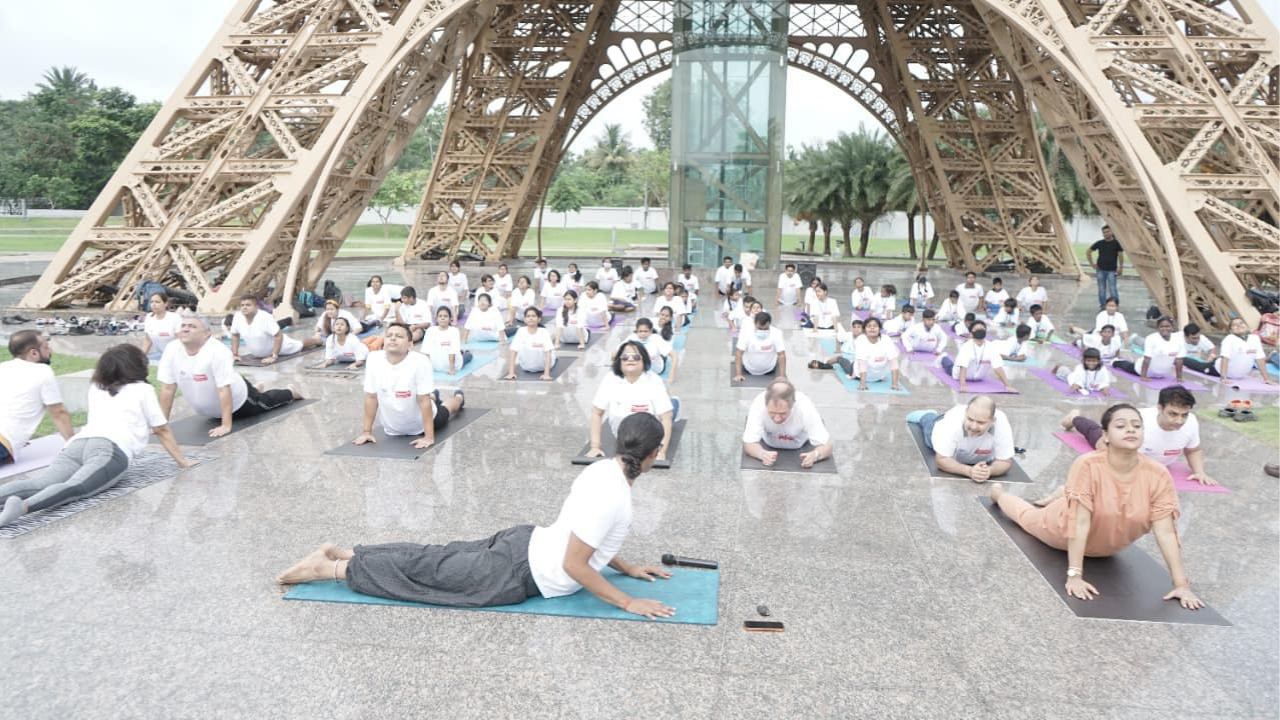
yoga helps you move better, breathe deeper, and feel more balanced — not just on the mat, but in daily life.
Rooted in tradition and taught with care, this is a practice you can grow with.
Mystic Pages - Articles on everyday wellbeing
You know that cycle, right? Happy one moment, stressed the next, then relieved, then anxious again. Most of us spend our entire lives shifting burdens from one hand to the other, mistaking temporary relief for genuine peace.What if there's a way to break this cycle entirely? For over 2,500 years, Vedanta has offered a radical answer: the end of suffering isn't found in managing your circumstances better, but in discovering who you truly are.
Your body doesn't need another juice cleanse or expensive supplements. What it desperately needs is something far simpler: just a break. Here's the truth about detoxification that the wellness industry won't tell you and the gentle protocol that actually works.
Let's start with the word itself. Sankalpa comes from two Sanskrit roots: sam and kalp. Together, they mean "to bring together, to form, or to arrange."
But it goes deeper than that. In the Bhagavad Gita, Sankalpa is described as "the mind arranging reality into a pattern through subtle volition." Read that again. It's not just about setting a goal or forming a habit. It's about becoming the fundamental organizing principle of your own consciousness.
The most common question in wellness circles isn't about flexibility, strength, or even overall health. It's about weight. And the answer seems obvious, almost patronizingly simple: eat less, lose weight. But if you've ever tried to manage your weight—truly manage it over months and years, not just for a few disciplined weeks—you know the reality is far more complex.
We live in a reactive world - snapping at others, ruminating endlessly, making anger-driven decisions. But ancient wisdom offers another path: equanimity. Discover how to transform from emotionally fragile to antifragile, growing stronger through life's challenges.
Why we fracture life into silos like "wordly" and "spiritual." This segregation creates a deep distortion, limiting our time and ability to find genuine fulfillment. True spiritual living means uniting these fragments. We must embrace mindfulness as the essential quality of consciousness that allows us to integrate our values, our behavior, and our breath into one complete, conscious experience.
Total well-being rests on seven interconnected pillars—nutrition, movement, sleep, stillness, emotional balance, human connection, and joy. Each supports the others to create harmony between body, mind, and spirit. By nurturing all seven, we cultivate resilience, clarity, and fulfillment, transforming health from a goal into a conscious way of living.
A positive mind is not about ignoring problems but building inner strength to face them calmly. Through physical health, emotional control, purposeful living, and self-reflection, one raises their baseline happiness. True positivity emerges from self-mastery—choosing steadiness, awareness, and dignity over impulse, and finding lasting peace from within.